
informative blog

Understanding the Different Types of Water Heaters
Hot water is something most homeowners rely on every day, whether for showers, laundry, dishwashing, or cleaning. Choosing the right water heater can affect energy costs, comfort, and long-term maintenance expenses.
With several types of water heaters available on the market, understanding the differences between them can help you make an informed decision for your home's hot water needs, and choose a system that delivers efficiency, performance, and reliability.
Storage Tank Water Heaters
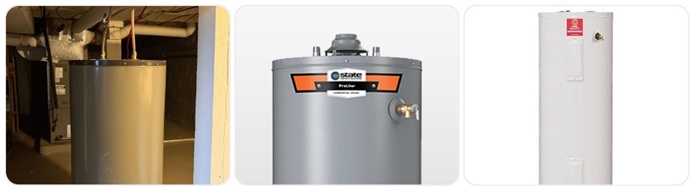
Storage tank water heaters are the most common type found in homes. They heat and
store a set amount of water, typically between 30 and 80 gallons, and keep it ready for
use.
Advantages
• Lower upfront purchase cost
• Simple installation and maintenance
• Available in gas and electric models
Disadvantages
• Higher standby energy losses
• Limited hot water supply based on tank size
• Larger space requirements
Best For
Families with predictable hot water usage and adequate utility room space.
Tankless Water Heaters
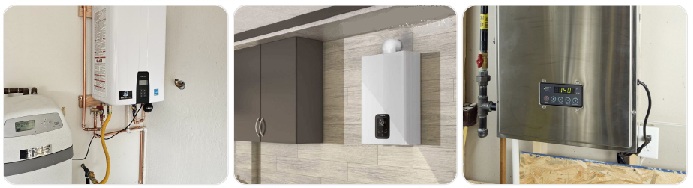
Tankless water heaters, also known as on-demand water heaters, heat water only when needed. Instead of storing hot water, they use powerful heating elements or burners to provide hot water instantly.
Advantages
• Improved energy efficiency
• Endless hot water supply
• Compact wall-mounted design
Disadvantages
• Higher initial cost
• May require electrical or gas system upgrades
• Performance can be limited during simultaneous high-demand use
Best For
Homes looking to reduce energy consumption and save space.
Heat Pump Water Heaters
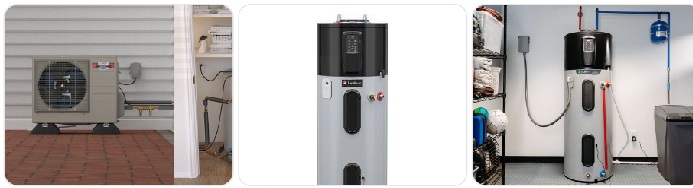
Heat pump water heaters, sometimes called hybrid water heaters, move heat from the surrounding air into the water rather than generating heat directly.
Advantages
• Extremely energy efficient
• Lower operating costs
• Potential utility rebates and incentives
Disadvantages
• Higher purchase price
• Requires adequate installation space
• Performance may decrease in very cold environments
Best For
Homeowners seeking maximum energy savings and long-term efficiency.
Solar Water Heaters
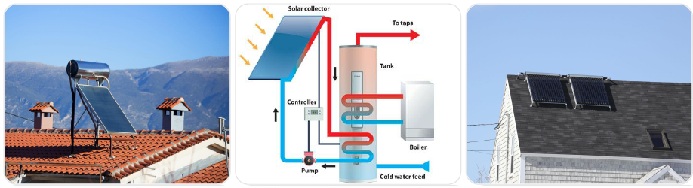
Solar water heaters use energy from the sun to heat water. Most systems include solar collectors and a storage tank, often with a backup heating source for cloudy days.
Advantages
• Very low operating costs
• Environmentally friendly
• Can significantly reduce utility bills
Disadvantages
• High installation cost
• Weather-dependent performance
• Requires suitable roof exposure
Best For
Homes in sunny climates looking to maximize renewable energy use.
Condensing Water Heaters
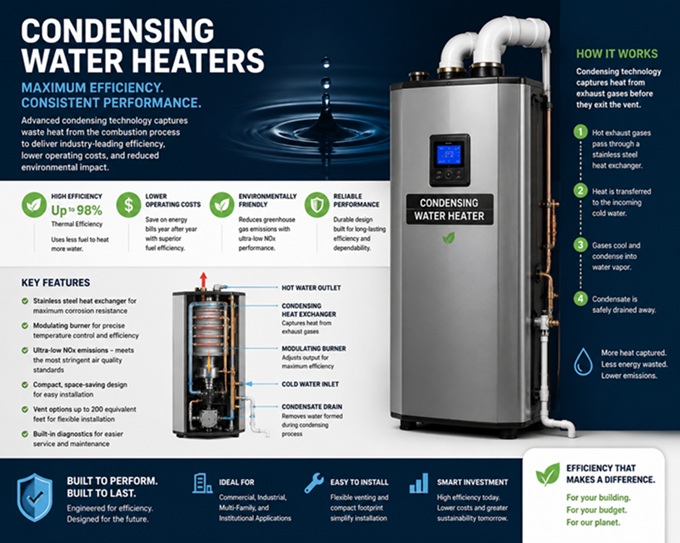
Condensing water heaters are typically gas-powered units designed to capture and reuse heat from exhaust gases that would otherwise be wasted.
Advantages
• High efficiency ratings
• Reduced fuel consumption
• Ideal for large hot water demands
Disadvantages
• Higher upfront cost
• Primarily beneficial for homes using natural gas
Best For
Larger households with significant hot water usage.
Choosing the Right Water Heater
When selecting a water heater, consider:
• Household size: Larger families generally need greater hot water capacity.
• Energy costs: Compare local gas and electricity rates.
• Available space: Tankless units require less room.
• Budget: Consider both installation costs and long-term operating expenses.
• Climate: Heat pump and solar systems perform differently depending on local conditions.
Final Thoughts
There is no single water heater that is best for every home. Traditional storage tanks offer affordability and simplicity. Tankless systems provide efficiency and endless hot water. Heatpump models maximize energy savings. Solar systems leverage renewable energy. And condensing units excel in high-demand applications.
Evaluating your household's needs, budget, and energy goals, will help you select the system that delivers reliable hot water for years to come.
All American Sewer Service Inc. is not responsible for, and does not endorse or approve, either implicitly or explicitly, the content of any third party content hyperlinked from this page. All American Sewer Service Inc. has no discretion to alter, update, or control the content on the hyperlinked, third party content. Access to third party content is at the user's own risk, is being provided for informational purposes only and is not a solicitation to buy or sell any of the products which may be referenced on such third party content.
The information in this article was obtained from various sources not associated with All American Sewer Service Inc.. While we believe it to be reliable and accurate, we do not warrant the accuracy or reliability of the information. These suggestions are not a complete list of every preventative measure or solution. The information is not intended to replace manuals or instructions provided by the manufacturer or the advice of a qualified professional. All American Sewer Service Inc. makes no guarantees of results from use of this information.